Wednesday, July 31, 2013

Supersonic bullet and gun suppressors

Gun suppressors are a cool thing to have in games because they keep you quiet and stealthy and are lots of fun to sneak around with and take your enemy by surprise. Most games introduce a damage or range penalty to suppressor equipped guns to compensate for that extra sneaky lethality.
From the research I've been doing and the help of some friends who've contributed their experience(thanks +Brandon Fero  for your insight on this), suppressors don't really affect the bullet speed, range, performance, whatever of a gun. What does happen though is that bullets usually get changed from supersonic to subsonic. What does this mean? Well the bullet speed as the projectile leaves the muzzle is controlled to be below the speed of sound. This reduces the sonic crack that's distinctive with supersonic ammo. Getting confused? This video will clarify it with four rounds being discharged from a Desert Eagle, two supersonic and two subsonic.


Notice how the supersonic bullets still produce more noise? That's because the bullet is creating a sonic boom just like a fighter jet. Firing subsonic removes this noise and makes the overall performance a lot quieter. The issue is that supersonic bullets behave differently from subsonic, thus the weapon's performance difference when suppressed. That is, suppressed and using the slower subsonic bullets. After all what's the point of the suppressor if the sonic boom gives you away?

Now slower bullets drop faster thus altering range. They have less momentum (p=mv) and thus theoretically less stopping power. Some articles mention that subsonic expansive bullets will penetrate more since they expand slower than supersonic ones. This is a good thing as they go deeper and may cause more harm, even when they have less momentum.

Overall the point is that suppressors don't affect the performance of  the weapon. If your weapon of choice in the game already has subsonic ammo the addition of the suppressor should be transparent. 

How does this come into play in the game. Well weapons already have a modifier for range and ammo is getting a penetration and damage modifier too. So those will be put into play when using different ammo as you switch to using a suppressor. Performance will depend mostly on the ammo being used in the weapon. There are already a lot of variants with ammo being taken into consideration that adding this should be a non issue.

One thing I have to take note is the supersonic to subsonic transition and its effect on bullet trajectory. Specially for sniper rifles at long range. Using subsonic bullets prevents this, but I guess it will reduce range considerably. Last time I read something about this I got the impression that the transition point pretty much marks the effective range of the weapon as the trajectory becomes too unpredictable to make the weapon effective beyond it. I'll have to dig into that again.

Image source
http://www.swrsuppressors.com/
http://www.swrsuppressors.com/img/headers/415px/home/pistol.jpg

Tuesday, July 30, 2013

What if problems had hit points?

Most of the time when a party encounters a situation that calls for a skill check the leading character in said field of experience takes the point and does a skill check. The outcome is either success or failure.

Now lets think for a moment what would happen if the problem had hit points. If your character had to hit it on and on again until the hit points reach zero to solve the problem. Could the problem attack back? Injuring our character? What type of damage would it do?

We've all come upon problems on which we work on for a while without any progress. Eventually they become tiresome and frustrate us. Couldn't that be considered a type of damage?

More so could more than one character join in to solve the problem? If so, wouldn't that deplete the problems hit points faster and reduce the "damage" done to each character? Something like this could facilitate team work.

Thoughts?

Monday, July 29, 2013

What's on the budget after artwork?

If you already had all the artwork you'd ever need for your game and you didn't or wound't have to spend a dime on it and still have great quality stuff, what would be next on your budget?

For the modern warfare game I'm working on I already have all the graphic material I would ever need. No need to set aside time or money to procure it. At least not as much time as I'd need to commission work, review it, etc.

If I had thousands of dollars to put into the project what else would require such funds? Recently I asked if a mathematician was worth hiring. Would spending extra on one be worth while? Maybe a programmer to make all these cool simulation software to quickly demo certain functionality like combat, skills and character progression. A damn good editor to review the text and comment on the layout. Some custom fonts? A cool website? What else?

What would you burn your extra cash if you didn't have to spend money on artwork? What aspects of your games that are left unattended due to low budgets would benefit from some extra funding?

Sunday, July 28, 2013

Modeling bullets

One of the issues I'm facing right now is bullet modeling. Particularly modeling a bullet against armor and cover. You see, some bullets are made to do terrible damage to the human body, but suck at breaking through armor. Bullets that are good at breaking through armor may not be so effective against the body in a through and through shot.

The question is how to model this in a simple way so a single die roll can be enough to resolve damage during combat and yet still be realistic enough to represent armor and cover.

Here are the design goals:

  • represent the stopping power of cover (walls, cars, other people?)
  • represent deformation as the bullet penetrates cover
  • represent the stopping power of armor
  • represent deformation as the bullet penetrates armor
  • represent the actual damage done to the target
Now the issue I'm seeing is that simple hit point damage isn't good enough to represent the penetrating power of a bullet. A bullet or buckshot can do a lot of damage to tissue, but be terrible at breaking through armor. Bullets may be very good at going through level III or IV armor, but not be that great at stopping the target dead on its track.

The complexity resides in that simply raising the HP damage value may turn a lethal round with very poor AP performance into a very effective at defeating level IV armor. Which might not be the case. On the other hand "small damage" rounds may be effective and defeating level III armor, but cause too much damage to the target. More damage than the round would really do to an unarmored target, leading to excessive lethality in the game.

Also, as bullets go through objects they don't only lose momentum, they become deformed. So a bullet going through something covering the target will be less effective at penetrating the targets armor. This requires a quick way to represent bullet deformation to grant the target some advantage to taking some cover.


Image source
http://prismscience.com/html-ballistic/index.htm

Would you hire a mathmatician?


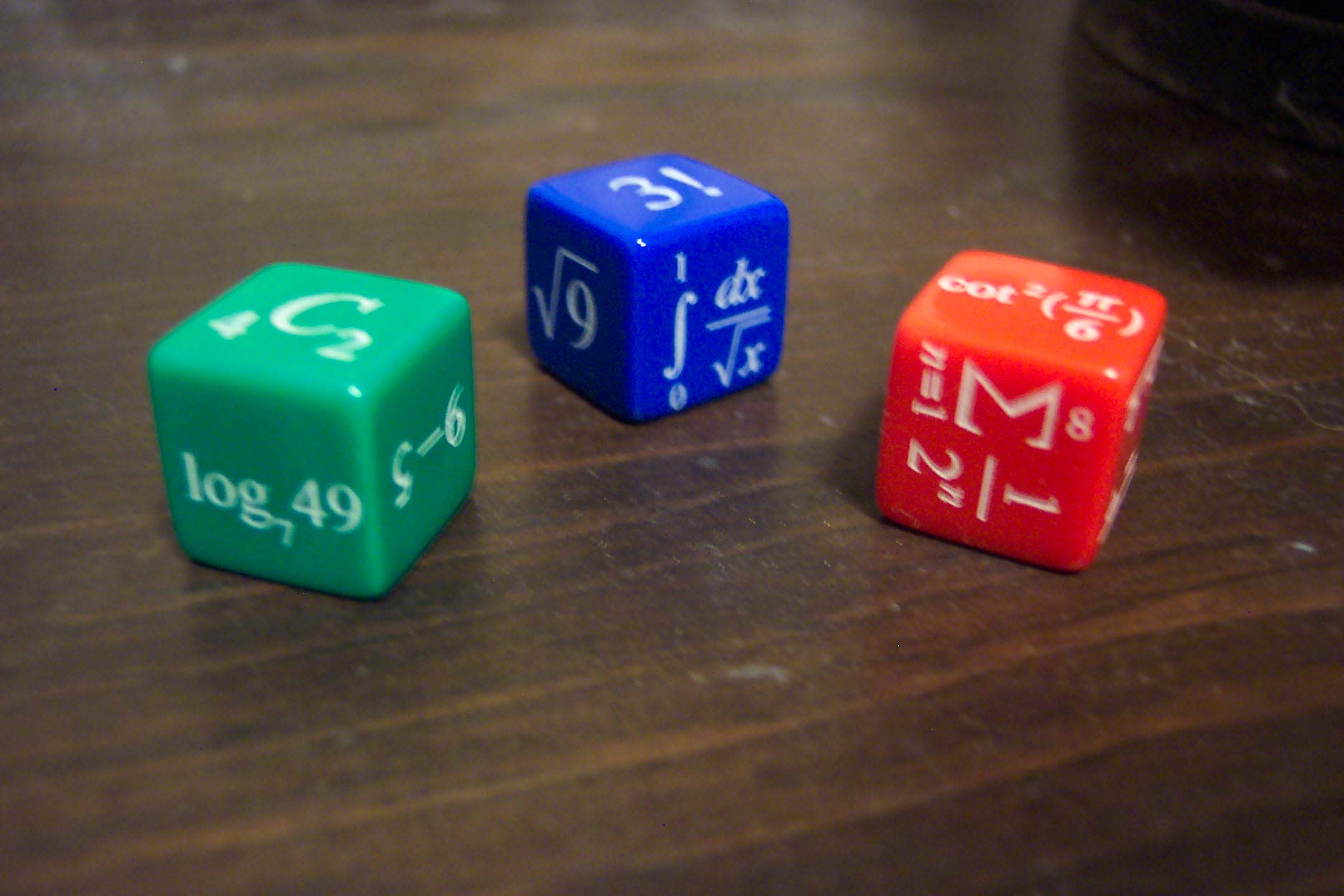
Artwork is something clearly budgeted for in an RPG, so is editing and getting the game polished and presentable. Time is set aside for playtesting as well. What I'm curious is how much $$$ is dedicated to the math behind the game. Do RPG designers pay for someone to review the math as they might pay for editing? I'm not saying they should hire the likes of Liebniz, but running the numbers through someone knowledgeable with probability? Or do designers in general jump to the playtest phase to test the mathematical theory?

I'm not a mathematician myself, but I know how to program and can see the benefit of running model simulation before getting into playtesting, For example how well a weapon may be compared to another, or vs a certain type of creature.

Do you as a game designer put money on the math?

Do you run some sort of computer assisted modeling prior to writing the rules or moving to playtest?, be it spreadsheet or some program.

Do you jump to the playtest directly?

If you use some sort of computer assisted development, do you see a benefit in turn around time to develop a game when you can simulate scenarios?

http://www.ericharshbarger.org/dice/math.jpg

Changing combat dynamics through iniative and HP recovery

"Fight til you drop" is the motto of D&D combat. What if you had some benefits from pulling out of an encounter, at least momentarily, and got to mitigate some drawbacks if you did so too?

Here are a couple of rules I've been running through a spreadsheet to see how they could change game dynamics in D&D.


Rule 1
Getting hit makes you lose you next attack. In an encounter you may either win or lose initiative. Getting hit makes you lose your next available attack. That means

  • If you lose initiative and you're hit you can't attack that round. As you lose your next available attack.
  • If you win initiative you'll attack first, if you miss and in turn get hit you'll lose your next attack if you win initiative in the next round. If you were to lose initiative the next round you'll have an attack at the end of that round if you're not hit by your opponent who does have an attack at the beginning of the round.
  • Same thing applies to monsters. If you hit them and cause damage they lose the attack.
This motivates constant barrage of attacks to suppress the enemy and never let them counter attack effectively. Of course this requires you to win initiative and promote it as a skill to have. On the other hand getting hit once may lead you to win initiative on the next round (since you're good) and send you on a spiral of constant attacks against you. To mitigate this is the following rule.

Rule 2
Disengaging from combat resets the initiative/hit counter. Pulling out from the line and waiting a round allows you to reenter combat without the drawback of having been hit. Since hit points are a skill and luck thing too pulling out from the line also allows you to recover half the hit points lost in the last attack (only the last).


I posted rule 1 on its own a while back and got some feedback saying that it was unfair since a dragon met by 40 peasants would never have a chance to attack. Truth is otherwise. Doing some math 3 or 4 times in 20 the dragon is stopped, the other times the village is roast, and that wasn't considering rule 2.

Try it and tell me what you think. It has allowed me to see other combat tactics come into play, much faster attacks intended to suppress and kill the enemy quicker. It also calls for team play as some members draw away from the line and rejoin later. More so it puts the fighter in the forefront of battle since only a skilled warrior could have the skill to attack first on and on again and be less prone to taking a debilitating blow that would eliminate his or her attacks.

Image source (some very nice images here!)

http://www.flickriver.com/groups/842118@N22/pool/interesting/

Using MGs for suppressing fire

Machine gun fire is one of the things that's taking me the longest to get polished. I really want it to work well. It isn't something about shooting a target to kill it, its about shooting into an area with the hopes of hitting as many targets as possible or to scare them shitless. Machine gun fire isn't very precise, but it covers a large area very quickly and helps suppress the enemy so your side can position itself better and put even more fire on the enemy.


Machine gun fire will work the following way. Your character can day down fire on an area covering 10m, 5m or 1m strips. The 10m area is a full fire action on the 10m stripe. Opponents in the area will have a high chance of being suppressed, and a quite lower chance of getting hit (depends on cover too). The 5m area seeks to concentrate fire on a much smaller area and thus increase the odds of hitting something. The odds of suppressing stay pretty much the same as with 10m, but the odds of hitting increase considerably. Finally firing controller bursts into a 1m area is meant to shoot the living hell out of somebody firing from behind a wall or other object. The idea is to kill, odds of hitting are good and odds of suppression are excellent. Nobody in their right mind is going to stick their head out when an MG is pointed straight at them.

Firing MGs also has the benefit of tracer bullets. The more your character keeps firing on the position the more modifiers the rolls will get, up to a maximum of three. For example odds of hitting something will increase about threefold from the initial trigger pull to three or four rounds of firing on the same position. Drawback is that tracers work both ways! It will expose your position to the enemy as well.

How does this differ from other games in which you open fire with an MG on an enemy position to hit a particular target? For starters you don't need to see or know where the target is. Using the mechanics you just roll for your fire and the GM rolls for whomever is in the affected area. Unless the target is very close or you have a spotter with a scope helping you, you won't know the result of the attack. Are they all dead? Hiding? Scared? You don't know. So use those precious seconds the MG is on to move your men to a better position, flank, surround and take out the enemy before they have a chance to figure out what is going on. It's all about speed and teamwork.


Join the game community to read more about the game and its progress.
Weapons Free RPG community
https://plus.google.com/u/0/communities/112634854408044277174

Thursday, July 25, 2013

Pay what you want vs kickstarter

I've been hearing a great deal of bad news from many tabletop RPG projects on Kickstarter. Projects not delivering on time, no posting updates, giving feedback, staying in touch with supporters or worse yet kickstarting a fundraiser to fund previous failed kickstarters. A bit like obtaining a new credit card to pay off an older one who's payments can't be met anymore. It seems that the worse of our economic system has gotten a hold of our hobby as well: speculation.

What exactly do these supporters get out of putting money into a project. Aside from the promised product itself that is. Shares? Stock options? A percentage of future annual sales?

Is there a Standard and Poor's or Moody's for Kickstarter? Who advises you, the potential investor, that a kickstarter is a good investment or not? Who's going to pay for such an analysis? You? And if not you, who? Kickstarter? Who's interested in getting good rating for it's projects? The project community who's even more interested in getting a good rating of itself?

Here's a though, game designers and artists (who take a large amount of cash due to the need and cost of artwork) put their time in for free. They develop a product and put it up for sale, if it goes well then great! Otherwise too bad for being bad at the job. Sounds too spartan a process? Here's another idea.

Put something out with a small investment. Release early and often and use the pay what you want feature to get money from those who are really interested in your product. Get some money of them, to whom you've already delivered something of use, and continue work with that. Expand your product and release updates that bring in more cash. At some point you can release the second edition of your product and get even more cash flow. Benefits are: you'll know early on what works and doesn't work with your product, you'll have shorter more attainable goals and if you're like myself, an inexperienced publisher, you get to gain some experience using your own hard earned money rather than other's load of cash.

Thoughts?

Monday, July 22, 2013

Making city and building maps with Campaign Cartographer

Last Friday's playtest took me to run my first full town assault with two squads and two sniper teams. It was fun, lots of fun, but it showed the limitations of the map selection. I had a hodge podge of building interiors and a small college community with some real photos of the city taken from Google Maps.

The next mission leaves the frozen Georgian mountains to drop the teams in the heat and sand of the middle east. For this adventure I want to create a custom town just for the mission so I'm firing up Campaign Cartographer (CC) and learning a few tricks to create a convincing city and "dungeon" map in one. Thus giving the players a real city with building they can storm into at any time!

CC has three modules Campaign Cartographer itself for large kingdom maps, City Designer (CD) for city maps and Dungeon Designer (DD) for dungeon maps. To create the city I began a map with CD and put some buildings, roads and areas with grass and dirt as shown below. I selected CD's middle east buildings for an extra touch of detail.


When I'm done laying out the buildings, landmarks and ground detail I open up the floorplan creator dialogue. This will automatically create floorplan maps for the buildings. I select the type, specify the number of above ground and below ground levels and give it a name.


This creates a nice set of floorplan maps with the building outlines already laid out for me. From there on it's my job to fill in the inner detail like I've shown below. To do this I switch to DD's toolset and use its set of dungeon icons and room/floor design tools to fill the inside of buildings. I can easily switch between floors with the convenient menu on the lower right and fill all the building's floors with tons of detail.


Once I'm done I can export the maps to my preferred image format and upload it to Roll20 and be ready to play the next mission!

Disclaimer, I'm by no means affiliated to ProFantasy Software.

CC3's page http://www.profantasy.com/products/cc3.asp

Sunday, July 21, 2013

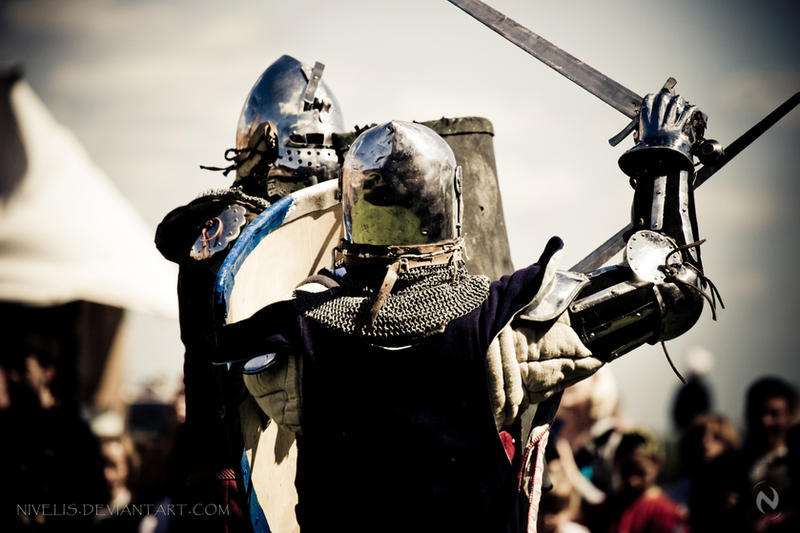
If you're hit you can't attack!

What if getting hit meant you lost all remaining round attacks? How would that influence your gameplay?

D&D has a feat for an initiative bonus of + 4, aside from that there is very little that can give a character a first strike capability every time. What if success dependes on the initiative roll more than the attack roll?


Here's the rule:

If you lose initiative and get hit you can't attack that round.

If you win initiative and get hit you can't attack next round if you win initiative. You can only attack on the next round if you lose initiative.

How would you specialize your character then? Would focusing on initiative be a good and more important thing to do than a to hit bonus? Dexterity over strength?  A simple 1d4 damage roll could eliminate your opponents very deadly 2d12 roll that round. Who needs armor when your opponent can't attack!

Thoughts?


Image source

http://fc07.deviantart.net/fs71/i/2011/208/c/7/medieval_total_war_by_nivelis-d2b08s2.jpg

Saturday, July 20, 2013

D&D without a fighter

Imagine a D&D without a fighter class? Imagine it without all the problems it brings! No more having to balance a game around a class that shouldn't exist. No longer an exponential vs linear progression issue. Gone solved, done for. The fighter is an extinct species.

You know when this hit me? As I was thinking about dungeon clearing techniques I realized units like SWAT, Rangers, Delta and SEALs are not fighters, they're thieves, magic user thieves for that matter (or thief magic user, whichever way you want it). The modern day "fighter" can jump off an airplane, swim underwater, climb up and down a rope, listen through walls, speak in sign language to fellow thieves err team members, break through doors, pick locks, blast doors, sneak and attack, sneak and back-stab, move silently, see in the dark, attack from afar, throw grenades, etc. More so one in four or one in eight are cleric thieves. They can do all that cool stuff and heal too. What can the fighter in D&D do? Swing his sword? Woooaaahh wow!!!

Why not empower all classes to have fighting abilities to a higher or lesser degree and be done with the fighter as a class? Fighter is now a skill and not a class. Something you can add to other classes to a greater or lesser extent.

Breach, bang and clear, do you flashbang dungeon rooms?

When was the last time you threw a flashbang into the orc infected room before entering? In my case, never. The more I get involved in modern warfare games the more I wonder how the heck my D&D characters survived so long.

You know, it usually goes like this: your party enters the room. "What is there? A group of orcs jump out and attack you. Oh. Roll initiative. You win, attack first. (roll roll roll) Ok three orcs are still left standing the attack. (roll roll roll) Your party takes some damage. Next round, roll initiative."

In reality this is more like this: "Hear something? Yea some mumbling. Ok guys, breach, bang and clear. Thief drops in the flashbang, boom, go go go. Magic missile, sword, sword, sword, crossbow, mace, crossbow. Ok, three orcs are still left standing, they're a bit dazed and... No worries, magic missile, sword, sword, sword, crossbow, mace, crossbow. Ok they're all dead."

See? Why worry about few hit points and lethality when you've got the initiative. Heck actually you kinda cheated with the initiative. Fuck cheating with initiative, you totally disregarded initiative and went to the attack phase, twice in a row! Is it less heroic? Maybe. Is it safer? Hell yea! Is it adventurous? Well I think it does open up a whole new way of dungeoneering don't you think?


Marines training room clearing techniques.

Image sources

http://www.22ndmeu.marines.mil/News/ArticleView/tabid/196/Article/145579/22nd-meu-force-recon-platoon-completes-advanced-combat-tactics-training.aspx
http://anonyfast.blogspot.mx/2013/02/cara-kerja-flash-bang.html

Tuesday, July 16, 2013

Give me skill not hit points!

Ran a modern combat event last Friday and nobody was killed. Most people have *lethality* as an issue when they hear modern combat. They think fire arms, which makes them think one shot and you're out of the game. This is true, very true, but only if your character gets hit. Skill, training and speed count more than hit points. Why isn't this so in dungeon crawls and what effect does this have on the game?

I hadn't realized the impact hit points have on game dynamics until now. When your characters are a wall of hit points and these are a mixture of life points, skill and luck the dungeon dynamics changes drastically. The use of fast overwhelming force is not so much a concern anymore. You know monsters will not go down in one hit either. So storming in and taking everything in sight is not an achievable option. We know storming a room full of orcs or ogres won't result in a one round encounter, unless characters are of high levels.

In a modern combat game things move slowly as the unit approaches the enemy, but when contact is made things move quicker. The enemy does not stay in their rooms waiting for the party to come around and hit them. The move, they adapt and turn things against the party in an attempt to flush the party out of "their dungeon" and possibly this world too.

In dungeon crawls thins are much slower. Even with random encounters and some odds of drawing attention, things move very slow. Characters may speed things up if they find a room with goblins, but after a few rounds of fighting things go back to slowly exploring the passages and more and more rooms. I've seldom had a sense of urgency after clearing a room.

What would happen if there was no pause to recover hit points? If monsters could succumb to a single hit? If placing that hit and not getting hit in turn was all that really mattered? How would that change the dungeon crawl pace for you? How would it change the whole storytelling process itself if dungeon crawling was a fast paced raid?


Dungeon vs. building clearing


This video has it all, move silently, find traps, pick locks (pick them apart with saws and explosives that is), fireballs and magic missiles. All you ever wanted in a dungeon crawl, but at the much faster pace of modern combat. So what separates a dungeon crawl from a building clearing? Both sound awfully familiar. You go room by room clearing things. So what's different?


Last Friday I playtested the first building raid and it was exciting. Not as fast as I was expecting, I felt that both players and myself as GM still had that dungeon crawl spirit in us. Some things were painfully slow compared to real building clearing. There's one distinctive feature in modern combat games vs dungeon crawls. The building is alive and its inhabitants do not want you there!!!

Most dungeons are static in the sense that room after room and passage after passage things are discovered, dealt with and left behind. In last Friday's building the soldiers in the area did not want the party messing with their dungeon. They began regrouping, organizing, moving around and firing back.

That hardly happens in dungeons. When was the last time you saw the goblins come out and protect the rats your party was attacking? Much less so for just 2000 cp. I won't generalize as there are many dungeons out there that have some form of dynamics. None the less a great deal many are lots of rooms with isolated ecosystems living on their own and waiting to get slaughtered when the party arrives.

Have you crawled through a dungeon you really felt alive and changing with every room you cleared? Did it feel like the thing really didn't want you nor your party in it?


Thursday, July 11, 2013

Die rolls killed the good GM

Or should I say proficient GM instead? Anyway, here's a thought, excessive die rolling is killing good GMs. Using die rolls to justify NPC actions which would otherwise be role played by the GM is killing the decision making power of the GM and the ability to play really well fleshed out NPC. Instead, "player luck" demanding the outcome give players a "chance" is putting the decision power of NPCs on the dice and not on the NPCs best interests. Not only that, it is adding unnecessary die rolls to the game in the hopes of preventing discussion and long conversations between players and GM as to how and why an NPC acted. Certainly rolling dice is faster than having the discussion, but not as fast as not rolling dice AND not having the discussion at all. Which would be done if players sucked it up and kept quiet. Which sounds kinda rude and close minded, but read on.

I'm not saying the GM should send a rock downhill and say it runs over a character, that should require a die roll at least. But rolling for NPCs decisions strips the GM of power to create an interesting and real NPC. If the NPCs decisions don't please the players, too bad. I would call it unfair if the GM used inside knowledge to change the NPC's decision, but that would just be poor GMing which should be sanctioned by players in another way which is not long discussions during play. Keep playing as player and express your concern later in a constructive way. It will give the GM feedback and allow him or her to improve.

Now for an example of this. The example comes from +Zak Smith blog post which got me thinking about this whole issue.

" The bar is completely empty except for the bartender who is behind the bar, looking at the door, holding a shotgun."

The player wants to get in. Clearly a hard task with the barman looking straight at the door. The player sets a fire outside to draw the attention of the bartender. The GM rolls to see if the bartender leaves the bar unattended to investigate the fire and thus grant the player an opportunity of entry. (roll roll) The barman does indeed decide to go investigate the fire out....wo wo wo, what wait what?

An experienced barman who's clearly waiting for something suddenly decides to leave his "high ground" position to investigate a fire outside. A fire that happens to occur on the evening the bar is totally empty and he has a shotgun in his hand and is clearly waiting for something. Am I the only one who sees the flaw in making a die roll for this just to grant the player "a chance"? The GM should act on the bartender's best interests and not allow the bartender to take such an risky action, even if it hinders the player's plan. Is the adventure so railroaded it absolutely requires the player to enter the bar through the door? Is that the only way to keep on going?  Please.

Die rolls are a good thing to use to prevent debate that may drag a session unnecessarily long discussions. Nonetheless it is better not to have those discussions in the first place. Although I've been an advocate of such rolls for NPC decision making Zak's post and the conversation that followed got me thinking if doing so just prevents a real grass roots solution. A solution in which both players and GM alike mature into better players with a better understanding of the game.

Are die rolls preventing GMs from acquiring that instinct as to what is good and bad to do to create tension and excitement in a game? I'm sure that much of what I say here is shocking and against all sorts of best practices out there. No giving the players a chance. A die roll to at least see if it happens. Balanced play.  Low character death rates. We all want to make it out alive, etc. etc. etc. The list goes on and on.

But wouldn't the GM's way or the highway be a better way to solve the issue? Traumatizing in the beginning, no doubt, it puts some evolutionary pressure on the GM to improve his or her GMing and not rely so much on dice to create a feeling of "impartiality".

Disclamer:

Before you flame me. I don't actually play this way, I'm just putting this on the table for discussion.

Thursday, July 04, 2013

Preparing for the dungeon crawl, intelligently

Most of the time when we prepare our party for a dungeon crawl we think of ropes, 10' poles, healing potions and maybe some henchmen as cannon fodder, err, assistance.

But what about information and intelligence gathering prior to the adventure? Getting stories from the local bar? Learning what lays ahead can save a character from certain death. Certainly some parties have already ventured into the dungeon. It's hard to believe your party is the first in eons to journey in. So why not get some help from those who've been there?

Here's is a list of ideas to provide your players with intelligence prior to entering the dungeon. It's done in the hopes that it not only saves a character or two, but it also adds more flavor to the adventure.


  • Bar (or Inn)
    • "You meet in a bar (or inn)", is a common kickoff point for most adventures. Why not provide information there if so many parties take off from there and surely come there to quench their thirst after a long and arduous dungeon crawl.
    • The bar tender might have overheard stories of what's in the dungeon.
    • He might know the names of people who went in before as well as their fate, see the points below. These names may prove to be contacts that will provide intel to the party for a price.
  • Local cleric
    • Where do adventurers go to heal their wounded or resurrect their dead? To the local cleric who will at least know what killed the poor fool.
    • Maybe a local cleric once went in as a henchman and knows something or two about the dungeon.
  • Stores
    • If others adventurers have been in the dungeon before they've surely come out to trade treasure. The local stores should know a story or two or have artifacts from the dungeon itself for sale!
    • Arcane parchments and scrolls may be laying around with scribbled maps and information.
    • A piece of paper, wood or other artifact of low value has something scribbled on it. Some language nobody knew, but one of the party members understands it and it provides valuable information. It's actually a map of traps written in goblin!
    • Characters may cast magic on artifacts to know who they belonged to or where they have been. Revealing valuable information of the insides of the dungeon.
  • Cemetery 
    • The unfortunate souls who may not be resurrected or die of their wounds will be here. Powerful and obscure magic can be used to gain information from the graves.
    • Speak with the dead may reveal information of what killed the poor soul and also what that character went through in the dungeon.
    • Resurrect and raise dead, animate dead or other obscure spells may provide ghoulish henchmen for the less scrupulous parties who may need help on the fly. Nothing better than a walking zombie map to guide you through the though parts of the dungeon.

Image source

http://shirosrpg.blogspot.mx/2010/07/hows-this-for-dungeon-entrance.html

Monday, July 01, 2013

Know thy dungeon

Modern day combat units have something our brave adventurers lack : intelligence. I don't mean the magic user's intelligence, I mean enemy intelligence.

Units will drill and drill and drill. Our brave adventurers journey totally into the unknown. Why do we seldom sell the maps we draw to other brave adventurers? Why don't we buy maps from others? Is there a dungeon crawl intelligence gathering processes in your campaign? Gathering some info at the bar or maybe the local clerics, who heal the injured and raise the dead. Surely from the recent dungeon excursions.

As I ponder on the game mechanics for my game and look into the concept of coolness under fire as a means to determine initiative, my thoughts converge on training. Training is an important factor in the success of a mission, knowing what each member of the team is responsible for, where they stand and what lays ahead is crucial for a quick victory. Yet dungeon crawlers seldom train. Is that because it's not a needed skill or because the mechanics provide no benefit?

The more I think about it the more I'm convinced an initiative system based on combat coolness is better than a random roll. That such system should be adjusted for training, team cohesion, command and the current situation. I seldom see this in dungeon crawls. Do you make use of ways to look ahead and gain intelligence of what's awaiting your party? or do you just storm in hoping for the best?


Image source

FORT HOOD, Texas- Military policemen from 2nd...

FORT HOOD, Texas- Military policemen from 2nd Special Troops Battalion, 2nd Brigade Combat Team, 1st Cavalry Division, practice stacking against the walls before clearing rooms during the Special Reaction Team phase one training at the Fort Hood "shoot...

Sunday, June 30, 2013

Weapons Free a modern combat RPG


Weapons Free is the codename for the game now published as Saints & Sinners. It's a fast action thriller RPG designed to leverage tactics, planning and speed above all else. The game plays fast without sacrificing any detail or character building aspects that will keep you busy session after session of adventuring and training.

Looking for heart stopping action as your party enters a room and you feel as every round goes off taking your enemies down? Want to know if your sniper is capable of taking that long shot? Feels like your light machine gun isn't playing it's role as a support weapon?

With area of effect fire and team work mechanics you can easily apply the effect of your SAW or the whole team's firepower on a particular target. Suppress the enemy while other players move around for a flank attack.

With its innovative initiative and round mechanism the game brings out the excitement of close quarter battle. Weapon skill is both aim and speed which your character can trade in for advantages at close range, and initiative isn't just a random roll, it's a skill check against your character's attributes. The better your character gets over time the better the odds. Live out encounters in which every second counts. Win initiative by a half second and take that shot that saves your buddy's life!

You can get Saints & Sinners,  as pay what you want from drivethruhRPG.

Join the Saints & Sinners to stay up to date with playtests and releases.


Night vision benefits

I seriously underestimated the value of night vision in modern warfare. Last Friday's playtest showed that I did not put enough emphasis on such a benefit. Attack and defense rolls were not sufficiently influenced by night vision or lack of as well as the usage of laser dots.

Visual aids help aim considerably. Three points I'll have to adjust for are :

  • Night vision
  • Laser dots
  • Tracer bullets

Night vision makes it easier for your character to see movement, pin point the enemy and thus aim. There is a reason why it's not permitted to export advanced optics from the US; not letting enemy troops have such an advantage. Being in the dark is a great advantage and something I under estimated in the rules.

The use of laser dots to see were your bullet will hit is also a valuable asset I failed to add modifiers for. An iron sight assault rifle should be less effective than a laser dot. Same applies for tracer bullets, although these will require a period of adjustment represented by increasing bonuses as fire is adjusted to the target.

Thus:

  • night combat will suffer penalties mitigated by night vision
  • advanced sights will add aiming benefits
  • tracer bullets will add bonuses to sustained fire the longer it is kept up


Image Source

http://lylesmoviefiles.com/2013/01/11/review-zero-dark-thirty/

Establishing ROE

Pilla: Colonel, they're shooting at us! Colonel, they're shooting at us!

McKnight: Well shoot back!


What's the point of winning initiative if your team isn't sure it can open fire? Last Friday's playtest showed the impact of not establishing rules of engagement. During an encounter the squad was approached by armed men, but they weren't sure if they could fire just yet. The teams had the initiative, had the night cover and had night vision, but it still took buckshot on one member to have them open fire on the hostiles. What went wrong?

Usually in dungeon crawls it's pretty simple, we're here, they're there, shoot first ask questions later. But, for example, +Keith Bailey told me just last week about an adventure in which he made party members approached from opposing ends of the passage. They ended up killing each other because they didn't take the precautions necessary.

In the fast paced settings of urban warfare this can occur quite often. Making the "kill them all let God sort them out" tactics from fantasy RPGs very dangerous. Taking care not to shoot friendlies is a serious concern. This seriously impacts the value of initiative, since having initiative in most games is only valuable if you get to fire first. More so if characters have only split seconds to tell between friend or foe, should minute long conversations between players be allowed?

Have you had friendly fire in your games? How do you handle determining between friends or foes? 

The Tenkar Test

Back in January, +Erik Tenkar posted a list of things he wanted from an OSR ruleset. It's a list of seven points I've reproduced below for clarity. I keep them at the top of my RPG bookmarks as "The Tenkar Test".

I'm no sure if there is such a thing as "objectively good RPG design" when it comes to RPGs, everyone has their own personal opinion, and everyone has different tastes. But Erik is nonetheless someone who knows games. It is my opinion that his breadth and depth of experience gives this list an objective view of game design needs. Applying them certainly has lead to easy and quick games that are fun to play.

Without further delay I leave you with the 7 things Erik wants from an OSR ruleset, aka "The Tenkar Test"

Thanks Erik for laying it out so well, your points have been most helpful!

The Tenkar Test

1 - A front end as crunchy as the players want it.

2 - A back end easy enough for the DM to run with minimal reference to charts, tables, monster descriptions, spells and the like.

3 - Whittled down to it's core, a DM should be able to run the game with a 8 x 11 sheet of paper.

4 - Players should have everything on their character sheet that they need to play a session.

5 - Spells should be simple enough to explain in 2-3 sentences.

6 - A unified skill mechanic.

7 - There should be a Player's Section and a DM's Section in the rulebook.


http://www.tenkarstavern.com/2013/01/what-i-want-from-osr-ruleset-gaming.html

Coolness under Fire

I see coolness under fire replacing initiative in my modern warfare game. Characters have to roll against their mettle attribute. Those that roll less than or equal keep their cool, the larger the margin of success the more in control the character is. A failed roll indicates a hesitant and slow to respond character.

How does this unfold in actual play? Characters have a set of attributes, you know strength, dexterity, etc. One of such attributes is mettle which represents the strength of character and is basically your average off the mill 3d6 roll. A coolness check is done by rolling 2d10. If you roll less than or equal to your character's mettle you have "right of response". That is, you might not necessarily act first if you decide to yield, but when things unfold you will be able to interject before anyone else.

Mettle is also an attribute that can be increased, so battled hardened soldiers will respond much better than green troops. They will also frighten less. When taking suppression fire they will remain cool and react even if their options are limited. Greener troops will hide and hope for the best. A character who is strafed close to his position will have to succeed in a mettle check or be suppressed.

Leadership and morale are elements that also affects mettle checks. They can't improve each soldier's mettle, but they can facilitate the roll with certain bonuses and manage to rally your unit into responding to the enemy and turning the tide of the attack.

Overall I see coolness as a better value than random initiative because it factors in the strengths (or weakness) of the character, allows combat experience to create a better response under fire and allows for team work and leadership to come into play.

Thoughts?

Image source

http://www.funnyjunk.com/funny_pictures/4590197/Finals+Week/

Saturday, June 29, 2013

Aiming with Tracer Bullets

Had a blast playtesting some combat rules last night with Oliver and Russel, thanks guys for your input. Your experience supplied excellent feedback! Doing some post session analysis I think I missed up on some things. One of them was using tracer bullets to aim machine gun fire or using bullet impacts to do the same. That  was not considered during the usage of the M249.

Situation:
Towards the end of the game the teams were making a quick exit from a town on a stolen pickup. They were driving through streets, markets and alleyways using their night vision goggles and shooting anything that got in their way opening fire with their M249. On various occasions they strafed and strafed. I realize now that the usage of tracer bullets should have improved the gunners precision after each strafe, right? So he lights them up, misses, then comes back again with better aim. The moving truck they were on added some complexity to the shot, but the tracers should have given a good feedback on how to adjust aim.

There is also the aspect of visible weapon impact. During one of the turns they end up in a plaza with an enemy occupied building. Soldiers begin to pour out and take positions on a balcony. The first M249 sweep misses and comes low from their target. Regardless of tracer usage, at that short range and with night vision goggles the impact of those bullets should have been clearly visible against the wall (dust and wood flying off), allowing the character to adjust up on the second sweep and get a bonus.

So rules will be modified to consider fire impact adjustments. Sustained MG fire with tracers or some way to clearly see were the bullets are hitting (impacts that cause visible debris: dust, glass, water) will add bonuses on the next sweep roll.


Source
http://www.denverpost.com/lifestyles/ci_9237015

Thursday, June 27, 2013

2d20 game mechanics for warfare RPGs

This post puts forward a preview of the game mechanics used in a modern combat RPG I'm working on. These game mechanics are an evolution of the mechanics used in Itza and Imperium & Maleficium, prehispanic and medieval fantasy RPGs. They focus on solving certain issues that I see arise with modern weapons and tactics.

Whereas combat in medieval settings is more a one to one thing, modern warfare with their rate of fire and range turn combat into a one to many engagement. Your character's firepower is such that the classic, one attack roll to hit falls short of the required dynamics.

To overcome this I've written up some new rules that address issues with initiative, movement, rate of fire and area coverage.

Complex modifiers
- Movement : Movement is life on the battlefield. Movement is not seen as an action, instead it is a modifier to actions. Movement is something your character does as it performs actions, it adds fatigue and drops the fire precision.
- Rate of fire : Rate of fire is a modifier to hit. Putting a lot of fire in an area is a means to increase the odds of hitting hidden or unknown targets in it.
- Aim : Aiming a weapon increases the odds of putting a bullet on the target.
- Cover and Visibility: Cover decreases the odds of being hit by a bullet. Even cover that is not solid makes the soldier harder to see and thus harder to shoot at. This requires the shooter to spread the fire into an area and thus reduce the odds of hitting the target.

Complex activities
- Many attacks (actions) per round : The amount of actions a character can take during a round are not a fixed arbitrary number. They are variable and depend on the amount of actions the player wants to take (to a certain limit set by the character's dexterity). The more actions the character takes, the higher the fatigue and the greater the penalties that will be suffered on future rounds.
- Suppression and cover fire : This is a type of fire applied to an area with the intention of not letting the enemy in the area fire back. Hitting the enemy is a goal, but the main objective is psychological, stopping the enemy from taking action and enabling friendly units to move into a more favorable position to engage the enemy.

2d20 abridged rules

Combat Round

The combat round is a ten second span of time during which actions are taken. The amount of actions a character can take depend on the character's movement rate and endurance. Actions add heart load to the character, the more actions the higher the heart rate and the more prone the character is of running out of breath. The end of a round signals the recovery of fatigue, but not necessarily the end of the attack or action the character is currently undertaking. A round is simply a unit of time to measure character fatigue. The start of a new round may or may not require an initiative roll.

Initiative

Initiative is a check against the character's mettle attribute. This is performed by rolling 2d10 and adding. The result must be equal or less than the character's mettle attribute. The better the roll the cooler the character is during the round and the quicker the response to combat events.

Initiative is not necessarily rolled at the start of every round, instead it is rolled when a confrontation starts. A confrontation may span over the time frame of a round or more.

Movement

Movement is the activity that sets the base fatigue level for the character. Fatigue works based on the character's heart rate. The faster the character moves the higher the base heart rate will be and the less actions it will have available before running out of breath.

Movement also affects combat. A character that's moving will be able to aim less, but at the same time will become a harder target to hit. Unless of course the character runs straight into the firing gun.

Attacks

Attacks are resolved by two 2d20 rolls, one for the attacker and one for the defender. The dice on each roll are added and compared. A hit is scored if the difference (called delta) between the rolls is less than 10 plus modifiers (called delta t, t for target).

For example:
Attacker rolls 2d20 : 4, 8 = 12
Defender rolls 2d20 : 11, 4 = 15

The attack hits since the delta = 15 - 12 = 3 which is less than 10 (delta t).

Terms
delta - the difference between the attack roll and the defense roll
delta t - the required difference to score a hit

Delta must be less than or equal to delta t to score a hit.

Modifiers

Both delta and delta t can be adjusted by various modifiers. Delta is adjusted by aiming and weapon precision, in general any activity that increases or decreases weapon precision. Delta t is adjusted by target movement, rate of fire, cover and visibility, in general any activity that increases or decreases character exposure.

As an attacker you want a high delta t, delta t means the odds of the target getting hit. Modifiers that add to delta t are good for you as an attacker. Modifiers that affect delta are good if they reduce delta, delta means the precision of your bullet. The smaller the delta the more precise the shot.

Delta modifiers

Aim

Aiming decreases delta by making the shot more precise.
Aiming a weapon subtracts 2 to delta
Aiming a weapon with a scope subtracts 3 to delta
Aiming a weapon with a high power scope subtracts 4 to delta

Shooter movement

Moving increases delta by making the shot less precise.
Walking adds 2 to delta
Running adds 4 to delta
Sprinting adds 6 to delta

Range

Range increases delta making the shot less precise the further the target is.
Weapons will provide a range modifier to delta.

Delta t modifiers

Rate of Fire

Weapons will provide a delta t modifier for different rates of fire. Higher rates of fire put more bullets in an area and increase the odds for a hit. This increases the exposure of the units under fire. Rate of fire increases delta t and makes the target more probable to hit, a good thing as an attacker. Although it may also add some aiming penalties due to recoil.

Visibility

Character visibility will reduce delta t by making the target more difficult to hit.
Modifiers are as follows:
Clearly visible : -0
Vaguely visible : -2
Hardly visible : -4

Cover and Shields

Both cover and shields provide a delta c (c for cover). Any attack that hits (delta less than or equal to delta t) but who's delta is greater than or equal to delta c hits the cover or shield first instead of the character. The hardness of the cover or shield will determine if the attack hits the character or not. See damage roll below.

For example a soldier is behind a brick wall. This gives him a delta c of 4. The soldier already has a delta t of 10, so any attack roll with a delta of 10 or less will hit the target, but any attack with a delta between 4 and 10 actually hits the wall in front of the target. The wall's hardness will determine if the bullet is stopped or not. The GM rolls for bullet damage and wall soak as if it were normal damage. See damage below. A bullet that exceeds the cover's soak roll will continue onto the target with the remaining momentum. It will then try to go through the target's armor and body.

Armor and Damage

Armor (shields and cover included) have potential to absorb momentum from the ammunition. This is represented by a armor soak roll. The damage of the ammunition is represented by a damage roll. When a character takes a hit a soak and damage roll are made. Each die on the damage roll is compared to a die on the soak roll. Dice are not added, but rather compared in descending order. A damage die does damage if the value is greater than the soak roll. All damage rolls that exceed their corresponding soak rolls are added to obtain the total damage.

If the ammunition hits a shield or cover first the shot must first roll against the shield's or cover's soak and then against the body armor if any.

Any damage that penetrates body armor will damage the character. Characters have hit points and stamina points. Stamina works as a damper for damage. The soldier's pain threshold is an amount of stamina points that are deducted from the weapons damage on every hit. If there are still damage points after subtracting the pain threshold value these points are done as damage to the character's hit points. For example a character with a 5 pain threshold takes 8 points of damage from a bullet. The stamina takes 5 of these points and three pass through to the character's hit points.

Cover Fire

Cover fire is the action of putting a lot of fire power on an area with the intention of not letting the enemy fire back. Cover fire provides a delta t modifier for shock (delta s). Any attack who's delta falls above delta t (considered a miss), but less than or equal to delta s has the potential to shock and scare the soldier. A mettle check must be done to remain cool. For example a weapon, given it's ammunition type has a delta s of 4. A soldier fires upon an entrenched enemy unit. The roll gives a delta of 12, not enough to beat the required delta t of 10, but it's still below 14 (delta t + delta s, 10 + 4 = 14). No enemy is actually hit but they're all intimidated and take cover.

Mortar Fire

Mortar rounds have an area of effect. Mortar rounds will hit a spot and those around it will be affected by the blast. The mortar gets a 2d20 roll and everyone in the blast radius gets a 2d20 roll. The mortar round applies delta t modifiers depending on distance from blast.

Blast radius:

60mm HE - lethal 20 m - modifiers : 10 m +2 delta t
81mm HE - lethal 34 m - modifiers : 15 m +2 delta t
107mm HE - lethal 40 m - modifiers : 20 m +2 delta t
120mm HE - lethal 60 m - modifiers : 20 m +4 delta t, 40 m +2 delta t


Example

A Marine squad is patrolling through the forest on a search and attack mission. The point man comes under fire. The GM rolls for the attacker's AK-47 (10 + 17 = 27), they have automatic initiative due to ambush.  The player rolls for the point man (20 + 16 = 36), delta = 9 (36 - 27) the attack hits (delta <= 10).

The GM rolls damage for the AK-47 (3d12 : 10, 8, 3). The player rolls for the body armor (3d10: 8, 8, 4). Comparing one by one in descending order: 10 vs 8, 10 wins; 8 vs 8, tie; 3 vs 4; 4 wins. The armor stops two of the three damage dice. The 10 passes through and does 10 hit points of damage. The point man's pain threshold is 4, this takes 4 stamina points away and 6 hit points of damage are done to the character. Since this is more than 25% of the total hit points the player must roll and endurance check (2d10 vs 13 endurance). A 14 is rolled, the character fails the check and falls to the ground. He's still alive, but unconscious.

Behind the fallen Marine the M249 lights up. The character operating it yells, "Contact, to the left, high, by the rocks", as he moves to take cover behind a tree. The man behind him throws a smoke grenade at the rocks. The last member of the fire team opens up with his M4 on the rocks. The fire team comes under fire again as it moves to cover.

As the team moves to cover they enjoy a -2 to their delta t. Small delta t is good as a defender, bad as an attacker. The enemy rolls 2d20 : 8, 29, and 16 vs the players 32, 38, and 22. The corresponding deltas are 24, 9, 6. Since they're a harder target to hit (-2 to delta), values have to be 8 or lower to obtain a hit. Only one of the soldiers is hit.  The damage is rolled (3d12 : 7, 6, 6) vs (3d10, 9, 7, 5). Only the last 6 beats the armor's 5, all other rolls are soaked by the armor. The character suffers 6 points of damage, 4 go to stamina loss and 2 create a slight flesh wound (less than 25% of total hit points). The slightly injured soldier makes it to cover.

The GM rolls 2d20 for the smoke grenade position (10) and the player 2d20 for the shot itself (16). The delta is less than 10 so the grenade lands pretty much were it was needed and will begin to block the vision.

Now we resolve the machine gun fire. The player with the machine gun (M249) rolls 24 vs the GM's roll of 29, 21 and 23 for the attacking enemies (the GM rolls secretly so not to reveal enemy numbers). To determine if the attack hits the difference between the rolls (delta) must be less than delta t (delta to hit) after modifiers ( 10 + modifiers). Any roll who's difference is less than or equal to this new modified value is a hit.

The M249 has the following modifiers:

  • to delta t -4 for low visibility (visibility modifier, bad for the attacking Marine, good for the enemy)
  • to delta t +2 for automatic fire (rate of fire modifier, good for the attacking Marine, bad for the enemy) 
  • to delta +6 for moving while firing, (bad for the Marine, good for the enemy)
  • delta s +3 (delta shock), any roll that does not hit, but is up to 4 above delta t causes fear


Total delta t modifiers is -2. The required delta to hit is 8 or less (10 - 4 + 2= 8, base delta t plus modifier).

The total delta modifier is +6.

The delta for the rolls are : 5, 3 and 1.

After applying the +6 delta modifiers the rolls become 11, 9, 7. The first two are misses since they're above the required delta t of 8 to hit, but they're still in the shock margin (11, 8 + 3 (delta s)). The delta s is 3 so any delta less than or equal to 11 (delta t + delta s = 6 + 3 = 9) causes fear. The first two soldiers fall prey to suppression. The last one takes a hit from the M 249 and dies (damage and soak rolls omitted).

The GM dictates that enough time has passed to signal the end or the round (10 seconds). The next round begins, characters add up fatigue (omitted for clarity) and start a new round.

Fire team A has turned the ambush around and is now pinning the assaulting group behind the rocks. Enemy strength is unknown. The point man is down and a medic is coming up to aid alongside fire team B. Fire team C has moved to the trees and is now looking for more hostiles uphill.

Fire team C sees movement along the rock uphill and yells "Contact!". The players roll initiative using 2d10 against their mettle attribute. They have values between 14 and 15 so they need to roll below that. Two of the team members succeed with the check, one fails and the team leader succeeds exceptionally well by rolling a 7. He's in total control of the situation and notices that the enemy has not seen them and is putting their attention on fire team B and the medic taking care of the casualty. He signals his men to take aim with their rifles and wait for his command. As they enemy sets their aim on Fire team B he orders them to fire. The enemy is taking cover, that gives them a -6 to their delta t, but the use of the ACOG sights gives the fire team a -4 bonus to delta. The GM and players roll dice. They need to beat a delta t of 4 by rolling less than or equal to 4 (10 base delta t - 6 cover modifier = 4). The GM rolls 18 for on of the enemies and one of the players roll 26, that's an 8 point difference, minus the ACOG modifier gives a 4 (8 - 4 = 4). Just enough to hit the enemy under cover. Damage is rolled as before and the enemy takes a serious wound. The two other players fire at the enemy, one misses and the other hits, once again injuring the enemy (rolls omitted for clarity).

With one group seriously injured and bleeding out and the other pinned down by the constant hammering of the SAW and assault riffles the enemy begins a retreat. They pull back between the trees and run away. Fire team A moves up to pursue. As they reach the top the see the enemy running through a clearing in the forest that leads to a local village. Assessing the distance at some 450 meters the team leader calls in fire support.

As FO  he calls out the following command to bring down two 60 mm rounds on a span of 50 m

TWO ROUNDS
SEARCH UP TWO AND ONE-HALF TURNS
ELEVATION ONE TWO THREE ONE (1231)


The player rolls for the rounds

First round

Player roll 7 + 10 = 17
GM Roll 18 +14 = 32

Delta is 15, way to high to score a damaging hit. The second round is rolled for.

Player roll 1 + 18 = 19
GM Roll 11 + 7 = 18

Near direct hit with a delta of 1. The GM puts the enemies some 6 to 8 meters apart, four of them take a direct hit and the remaining 2 are over 10 meters from the blast center. Their modified delta is 3, still an deadly blast for them too. Damage is rolled for the blast using 2d10, the blast can't be stopped by the armor (concussion and frag damage rolls omitted). All enemy forces are neutralized.

Wednesday, June 26, 2013

Realism vs Realism

There are a great deal of views as to what realism is in an RPG. It is this great variety that causes confusion and conflict when discussing realism in a game. People end up talking about two different things or have two perceptions of the same thing.

I'd like to look a two "realisms". One, does the item work like it should in real life. Two, does the succession of events unfold as it should in real life.

The first, although important, is of little concern to me in this article. Does the weapon really work that way? Does the bow shoot as it should? I'm expert on a few subjects, but for each there's a multitude of subjects I'm totally ignorant about. "Good enough realism", is good enough because I wouldn't know any better, just as many players wouldn't know any better either. Adding more realism that adds complexity to the mechanics and does not convey a more realistic bow to someone who has seldom if ever shot a bow is a total waste of resources.

The second type of realism does concern this post. It's regarding the succession of events and how players interact with the setting, characters and creatures in the adventure. How actions are sequenced, task resolution done and encounters resolved. These thoughts stem not only from my initial thoughts on game design a year ago, but also the recent conversation about action thrillers and their presence (or lack of) in RPGs. Simply put, detailed mechanics do not promote the fast action play required for action thrillers. But wait, not only detailed mechanics, mechanics in general are "flow stoppers" for fast action thrillers regardless of detail. Forget weapon damage, armor detail, wounds, hit location charts, and all that fancy stuff. There are two things that are real flow stoppers in games: initiative and movement.

Initiative

Initiative is the main thrill killer in most games I play. I'll roll with it, have done so for years, but it isn't something I will put in new games. Imagine if Jason Bourne is fighting his way out of trouble, kicking ass left and right, round ends, he fails the next initiative roll and gets beaten to death.

I'm moving away from initiative rolls every round. I see initiative as the power to decide, not the power to go first. Sometimes waiting for the other's response is a good thing. So for me initiative is being able respond quickly to battlefield challenges, not necessarily act first.

Movement

Movement is another thrill killer. In many games it is bound to a few options and surrounded by a set of rather complex rules that limit, rather than empower the character to take action. There are fixed movement phases mixed with fixed action/attack phases and this limits the actions a player can take and the places a character can be in when an attack is done. It's very similar to chess, move, attack, etc. There's no attack as you move.

I'm moving away from these chess like rules. I want the bishop to attack as he dashes through the chessboard, I want the knight to strike as he jumps over friendly pawns. Thus I'm seeing movement not as an action taken during the turn, but as a modifier to actions. Movement affects your aim. Movement fatigues you, the more you do the more difficult it will be to do other things. Simply put, your character is running out of breath.

I expect to see new possibilities when making changes to these two elements. Already the rework on initiative and movement has open up new possibilities to me. Particularly in modern warfare games. Modern warfare was something I felt uncomfortable tackling due to the limits of the aforementioned game dynamics. A more fluid succession of events opens up the possibility of a fast paced, more interesting modern warfare RPG.


Image source

http://tao-dnd.blogspot.mx/2012_02_01_archive.html

Sunday, June 23, 2013

Tracer rounds work both ways, die rolls too!

As a GM every time you ask your players to roll to hit you're a dead give away on the enemy strength. In fantasy settings with bows and arrows and close range combat this isn't much of an issue. If the enemy is close enough to attack you he's close enough to be see, unless some magic is in use.

In modern or futuristic combat, this is not the case. You may come under fire from a great distance and have only the general direction to which you can return fire. "You're taking fire from the tree line on the ridge", what does your party do? "We fire back at the attackers.", but wait, what attackers?

Rules like d20 require a target to hit. They're not very good at determining area of effect. So a burst of return fire or a barrage of suppressing fire would be hard to resolve. As a GM you'll probably have to ask the players to roll a certain amount of dice to see if their attacks hit. But that's a dead giveaway on the enemy force's size. Is the enemy just a sniper and his spotter? A platoon? A whole freaking brigade?

You'll probably end up putting a bunch of little icons on Roll20 as well, indicating the enemy combatants on the field. But wait, isn't that what camouflage is for? So they can't be seen and shot at? The game's combat mechanics is making you, the GM, give valuable information the players that their characters would not normally have in real combat situations.

I think opposing die roll mechanics are ideal for this, as they don't rely on a single die roll from the attacker (player). With opposing die rolls the attacker can set the degree of effectiveness of the attack with a single roll and the defender(s) can counter it, one by one. This allows the GM to secretly roll for the opponents, and in doing so hide the enemy force size from the players.

How do you hide enemy positions in modern or futuristic combat settings without having this interfere with the rules?

d20 Suppressive Fire

Nonexistent is a word I find fitting to describe it. I've been looking for d20 rules that work with suppressing fire and have found none. I've searched d20 Modern SDR and found no rules addressing suppressing fire. The word suppress actually appears a few times, one as in silencer for a gun and the others in the context of magic use.

D20 is very good at resolving to hit situations. Did you hit your target? Yes - No. It is very inefficient at solving "not hit" situations. Particularly massive fire "not hit" situations. Suppressive fire is one of them. The idea of suppressive fire is not to hit someone. After all they're all hiding from your bursts, right? But how do you solve the odds of the enemy sticking his head out just as your Gatling swings around? Or how good is your burst that it's close enough to keep the enemy pinned.

Dice pool mechanics have a way to solve this, but they're fuzzy. Not that I dislike them, I really enjoy playing dice pool games, but they lack that crunchiness I'm looking for. I don't want too many tables, preferably none. One or two die rolls to determine outcome and that's it. I do want some detail as to what is going on. I find d20 to be too "binary" if you will, its either hit or miss, with no in between.

As a player or game designer do you know a modern or futuristic game that handles massive fire well?

Friday, June 21, 2013

Tzitzimime, heavenly sent deamons

Tzitzimime are star deamons who devour men during eclipses. They have skeletal female bodies and wear skirts decorated with crossbones. These deities are worshiped by midwives and women about to give birth. The tzitzimime pay allegiance to Itzpapalotl (clawed butterfly) who ruled over the paradise world of Tamoanchan. Tamoanchan is the paradise for victims of infant mortality and also the place were humans were created from crushed bones and blood. 

The tzitzimime can appear as beautiful seductive women or as horrible skeletal figures with clawed hands and obsidian tipped butterfly wings. Either form is equally dangerous as they will attempt to get close to their prey before revealing their true nature and attacking.

Tzitzimime are feared mostly during solar eclipses, but they can walk the earth in search of prey on other less ominous days. All trecena days beginning with westward days (1 Deer, 1 Rain, 1 Monkey, 1 House, and 1 Eagle) will experience greater tzitzimime presence. During those periods of thirteen days the tzitzimime and the less deadly cihuateteo roam the land in search of victims. The five Nemontemi days at the end of the year count (365 days) are particularly susceptible to tzitzimime activity.

Tzitzimime are creatures very similar to vampires. They will walk the land preferably at night or during solar eclipses. They are stars in the heavens when they do not walk this earth and just like stars they shine, but have no warmth. When in female human form they will be most charming and beautiful, but their cold skin will give them away. The hold an enthralling aura around them, a type of brightness that charms people, particularly men. The few who have survived have told stories of being pulled into a sea of stars as they stared into their eyes. When not in human form they can appear in their harpy type shape, clawed hands and eagle type feet, butterfly or bat wings with obsidian tips. They are also known to shape change into large bats as well.

They can see perfectly well at night and in pitch black darkness and are so strong they can easily fly away with a full grown man. Unless killed and burned to ashes they will regenerate and be reborn again the next evening. Their bones are particularly powerful in magic rituals. As inhabitants of Tamoanchan, where mankind was created from crushed bone and blood, their bones have power to animate and even create human like creatures. These bones and to a lesser degree their ashes can be used to create animated humans, undead or golems.

Tzitzimime will not transmit vampirism with their bite, although they may hypnotize or drain the blood of a victim to make them their servant. The can grant nahual (werecreature) powers of the deer or vampire bat to humans who willingly or unwillingly accept such powers. These nahual powers will eventually overpower the soul of the human who they afflict and said person will become a willing servant to the tzitzimime. For such a reason characters having such powers, for more benevolent reasons, may be confused with their more evil counterparts. Dark deer with glowing red or yellow eyes are seen every so often in the forests and are said to be the evil servants of tzitzimime left behind to do their bidding until their return on the next thirteen day period when they once again walk the lands.


Image source:

http://www.elfwood.com/~animeyang/Itzpapalotls-Decent.2527783.html
http://artedeltatuaje.com/pintura/nahual-por-federico-ruiz/